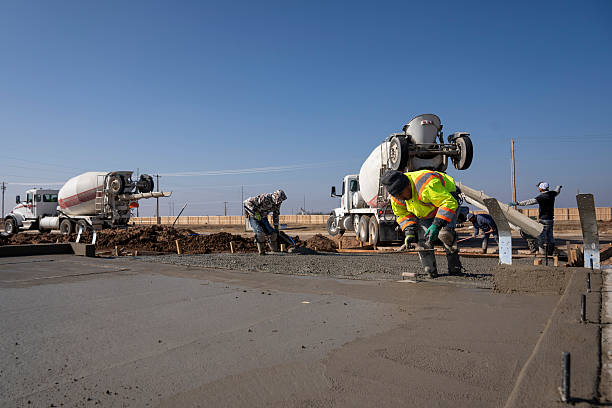
Engineering Jobs in Canada Paying $100,000+ With Work Visa Sponsorship
Canada has become one of the most attractive destinations for skilled engineers seeking high-paying careers, excellent working conditions, and long-term immigration opportunities. With major investments in infrastructure, renewable energy, manufacturing, mining, technology, transportation, and construction projects, Canadian employers are actively recruiting engineering professionals from around the world.
For qualified international candidates, engineering jobs in Canada paying $100,000 or more annually are increasingly accessible through employer-sponsored work permits and immigration pathways. The country’s growing labor shortages, aging workforce, and ambitious economic development plans have created strong demand for experienced engineers across multiple industries.
Whether you are a civil engineer, mechanical engineer, electrical engineer, software engineer, petroleum engineer, mining engineer, or project engineer, Canada offers attractive compensation packages, comprehensive employee benefits, and opportunities for permanent residency.
This guide explores the highest-paying engineering jobs in Canada, industries actively hiring foreign workers, visa sponsorship opportunities, salary expectations, qualification requirements, and practical steps to secure a lucrative engineering position.
Why Canada Needs Engineers
Canada’s economy relies heavily on infrastructure development, natural resources, technology innovation, manufacturing, and energy production. As many experienced professionals approach retirement, employers are struggling to fill critical engineering positions.
Several factors contribute to the growing demand for engineers:
- Expansion of transportation and infrastructure projects
- Growth of renewable energy and sustainability initiatives
- Increasing technology and software development investments
- Mining and natural resource development
- Industrial automation and advanced manufacturing
- Urban development and housing construction
- Telecommunications network expansion
As a result, employers are increasingly open to hiring qualified international professionals and supporting work visa applications when local talent is unavailable.
Benefits of Engineering Jobs in Canada
Engineering careers in Canada offer more than just competitive salaries. Professionals often receive extensive employment benefits that significantly increase total compensation.
Common benefits include:
- Employer-sponsored work permits
- Health and dental insurance
- Retirement savings plans
- Paid vacation and holidays
- Relocation assistance
- Performance bonuses
- Professional development funding
- Overtime compensation
- Flexible work arrangements
- Permanent residency pathways
For many international workers, the combination of strong earnings and immigration opportunities makes Canada one of the most desirable destinations for career advancement.
Highest-Paying Engineering Jobs in Canada
1. Petroleum Engineer
Petroleum engineers are among the highest-paid professionals in Canada, particularly in provinces with significant oil and gas operations.
Average Salary Range:
$110,000 to $200,000+ per year
Key Responsibilities:
- Design extraction systems
- Optimize oil and gas production
- Improve drilling efficiency
- Conduct reservoir analysis
- Develop production strategies
Top Hiring Locations:
- Alberta
- Saskatchewan
- Newfoundland and Labrador
Required Skills:
- Reservoir engineering
- Drilling operations
- Production engineering
- Data analysis
- Project management
Experienced petroleum engineers can earn substantially more through bonuses and specialized assignments.
2. Software Engineer
The Canadian technology sector continues to expand rapidly, creating exceptional opportunities for software engineers.
Average Salary Range:
$100,000 to $180,000+ per year
Responsibilities:
- Software development
- Cloud architecture
- Application design
- Cybersecurity implementation
- System integration
High-Demand Specializations:
- Artificial Intelligence
- Machine Learning
- Cloud Computing
- DevOps Engineering
- Cybersecurity
- Data Engineering
Major hiring hubs include:
- Toronto
- Vancouver
- Calgary
- Ottawa
- Montreal
Technology companies frequently sponsor international software engineers due to persistent talent shortages.
3. Mining Engineer
Canada’s mining industry remains one of the largest in the world, generating significant demand for skilled engineers.
Average Salary Range:
$105,000 to $180,000+ annually
Responsibilities:
- Mine planning
- Resource evaluation
- Safety management
- Environmental compliance
- Production optimization
Top Provinces:
- Ontario
- British Columbia
- Quebec
- Saskatchewan
Mining companies often provide relocation packages, housing allowances, and work visa sponsorship for highly qualified candidates.
4. Electrical Engineer
Electrical engineers play a vital role in power generation, renewable energy projects, telecommunications, and industrial systems.
Average Salary Range:
$100,000 to $160,000+ per year
Key Duties:
- Electrical system design
- Power distribution planning
- Equipment testing
- Energy management
- Automation solutions
Growing sectors include:
- Renewable energy
- Smart grids
- Electric vehicle infrastructure
- Telecommunications
- Industrial automation
5. Civil Engineer
Canada’s infrastructure investments continue to create strong demand for civil engineers.
Average Salary Range:
$100,000 to $170,000+ annually
Responsibilities:
- Transportation planning
- Structural design
- Infrastructure development
- Construction management
- Environmental engineering projects
Major projects involve:
- Highways
- Bridges
- Transit systems
- Airports
- Housing developments
Experienced civil engineers often advance into project management positions with even higher compensation.
6. Mechanical Engineer
Mechanical engineers remain essential across manufacturing, energy, transportation, and industrial sectors.
Average Salary Range:
$100,000 to $165,000+ per year
Responsibilities:
- Equipment design
- Process improvement
- Manufacturing systems
- Quality control
- Maintenance optimization
Employers particularly value professionals with experience in automation, robotics, and industrial operations.
7. Project Engineer
Project engineers oversee large-scale technical projects and coordinate teams across multiple disciplines.
Average Salary Range:
$110,000 to $190,000+ annually
Key Functions:
- Budget management
- Resource planning
- Risk assessment
- Stakeholder communication
- Project execution
Professionals with extensive project management experience can command premium salaries across various industries.
8. Chemical Engineer
Chemical engineers support industries such as energy, pharmaceuticals, manufacturing, and environmental services.
Average Salary Range:
$100,000 to $170,000+ annually
Responsibilities:
- Process optimization
- Production efficiency
- Quality assurance
- Environmental compliance
- Product development
Growing demand exists within sustainable manufacturing and clean energy sectors.
Industries Offering Visa Sponsorship
Energy Sector
Canada’s energy industry frequently hires international engineering talent due to ongoing workforce shortages.
Popular employers include:
- Oil and gas producers
- Renewable energy companies
- Utility providers
- Power generation facilities
Many organizations offer relocation support and visa sponsorship programs.
Construction and Infrastructure
Large infrastructure investments have increased demand for engineers involved in transportation, commercial development, and public works projects.
Employers often sponsor experienced candidates in:
- Civil engineering
- Structural engineering
- Transportation engineering
- Construction management
Technology Industry
Canadian technology companies compete globally for talent and often recruit engineers internationally.
In-demand positions include:
- Software engineers
- Cloud engineers
- AI specialists
- Systems engineers
- Cybersecurity professionals
Manufacturing
Advanced manufacturing facilities require engineers capable of supporting automation, production optimization, and quality improvement initiatives.
High-demand roles include:
- Mechanical engineers
- Industrial engineers
- Automation engineers
- Manufacturing engineers
Mining and Natural Resources
Mining companies operating in remote regions frequently recruit internationally due to specialized skill requirements.
Benefits may include:
- Fly-in fly-out schedules
- Housing assistance
- Relocation support
- Premium compensation packages
Canadian Work Visa Sponsorship Options
International engineers commonly enter Canada through employer-supported immigration programs.
Temporary Foreign Worker Program
Employers facing labor shortages may hire foreign workers when suitable local candidates cannot be found.
Advantages include:
- Employer sponsorship
- Competitive salaries
- Canadian work experience
- Potential transition to permanent residency
Global Talent Stream
The Global Talent Stream allows eligible employers to hire highly skilled professionals through an accelerated process.
Benefits include:
- Faster processing times
- Streamlined application procedures
- Access to high-demand technical positions
Provincial Nominee Programs
Many provinces actively recruit engineers through immigration programs designed to address labor shortages.
Popular provinces include:
- Ontario
- British Columbia
- Alberta
- Saskatchewan
- Manitoba
Express Entry
Engineers often score competitively within Canada’s Express Entry system due to their education, professional experience, and language skills.
Successful applicants may receive invitations for permanent residency.
Qualifications Needed
While requirements vary by employer and specialty, most engineering positions require:
Educational Credentials
Candidates typically need:
- Bachelor’s degree in engineering
- Relevant specialization
- Recognized international credentials
Advanced degrees can improve competitiveness for senior positions.
Professional Experience
Most high-paying engineering jobs require:
- Three to ten years of experience
- Industry-specific expertise
- Proven project accomplishments
- Technical leadership experience
Licensing Requirements
Many engineering disciplines require licensing through provincial engineering regulators.
Common steps include:
- Credential evaluation
- Experience verification
- Professional practice examinations
- Registration with the relevant engineering association
Some employers hire candidates before licensing is fully completed.
Language Skills
Strong English proficiency is essential in most provinces.
French language skills may provide additional opportunities, especially in Quebec and bilingual organizations.
Provinces With the Highest Engineering Salaries
Alberta
Alberta remains one of Canada’s highest-paying provinces for engineers.
Key industries include:
- Oil and gas
- Renewable energy
- Construction
- Manufacturing
Senior engineers frequently earn well above $100,000 annually.
British Columbia
British Columbia offers strong compensation in:
- Technology
- Infrastructure
- Mining
- Environmental engineering
Vancouver continues to attract international engineering talent.
Ontario
Ontario’s diversified economy supports high-paying opportunities across:
- Technology
- Manufacturing
- Construction
- Transportation
The Greater Toronto Area is a major engineering employment hub.
Saskatchewan
Mining, agriculture, and energy projects drive demand for engineering professionals.
Employers often provide attractive incentives to attract skilled workers.
How to Find Engineering Jobs With Visa Sponsorship
Build a Canadian-Style Resume
Canadian employers typically prefer resumes that emphasize:
- Quantifiable achievements
- Technical competencies
- Project outcomes
- Leadership experience
A professionally formatted resume can significantly improve interview opportunities.
Optimize Your Professional Profile
Maintain an updated professional profile highlighting:
- Certifications
- Engineering projects
- Technical skills
- Industry accomplishments
Recruiters frequently search online platforms for engineering candidates.
Target Sponsorship-Friendly Employers
Focus on organizations known for hiring international talent.
These employers often have established immigration support processes and dedicated recruitment programs.
Obtain Credential Assessments
Completing credential evaluations early can demonstrate readiness and reduce hiring concerns.
Prepare for Technical Interviews
Employers frequently assess:
- Engineering knowledge
- Problem-solving ability
- Project management experience
- Communication skills
Strong preparation improves hiring success rates.
Skills That Increase Earning Potential
Engineers who possess specialized skills often command significantly higher salaries.
Valuable skills include:
- Project management
- Artificial intelligence
- Data analytics
- Automation
- Cloud technologies
- Renewable energy systems
- Cybersecurity
- Industrial control systems
- Advanced manufacturing
- Risk management
Combining technical expertise with leadership capabilities often leads to the highest-paying positions.
Typical Compensation Beyond Salary
Engineering professionals earning over $100,000 frequently receive additional compensation.
These benefits may include:
- Annual bonuses
- Stock options
- Profit-sharing plans
- Pension contributions
- Health insurance
- Relocation packages
- Education reimbursement
- Performance incentives
Total compensation can exceed base salary by a substantial margin.
Career Growth Opportunities
Engineering careers in Canada often provide clear advancement pathways.
Professionals may progress into roles such as:
- Senior Engineer
- Engineering Manager
- Technical Director
- Operations Manager
- Program Manager
- Vice President of Engineering
- Chief Technology Officer
- Chief Engineer
These leadership positions can generate annual compensation well beyond $200,000.
Final Thoughts
Engineering remains one of the most rewarding career paths for skilled professionals seeking employment opportunities in Canada. With salaries exceeding $100,000 annually, strong demand across multiple industries, and numerous work visa sponsorship pathways, Canada continues to attract engineering talent from around the world.
From software engineering and artificial intelligence to civil engineering, mining, energy, and advanced manufacturing, employers are actively recruiting qualified professionals capable of supporting Canada’s economic growth. Engineers who combine technical expertise, professional experience, and strong communication skills can position themselves for exceptional career opportunities, long-term stability, and potential permanent residency.
For international professionals seeking both financial advancement and a high quality of life, engineering jobs in Canada with work visa sponsorship represent one of the most attractive pathways available today.